
Key Takeaways
Frozen and burst pipes are often covered by homeowners insurance, but only when the home is properly heated and maintained. It’s important to understand what is and isn’t covered – especially when it comes to neglect, gradual leaks, or damage that occurs outside the home. With the right preventive steps and a quick response during a freeze, you can reduce the risk of damage and ensure your claim goes smoothly if something does happen.
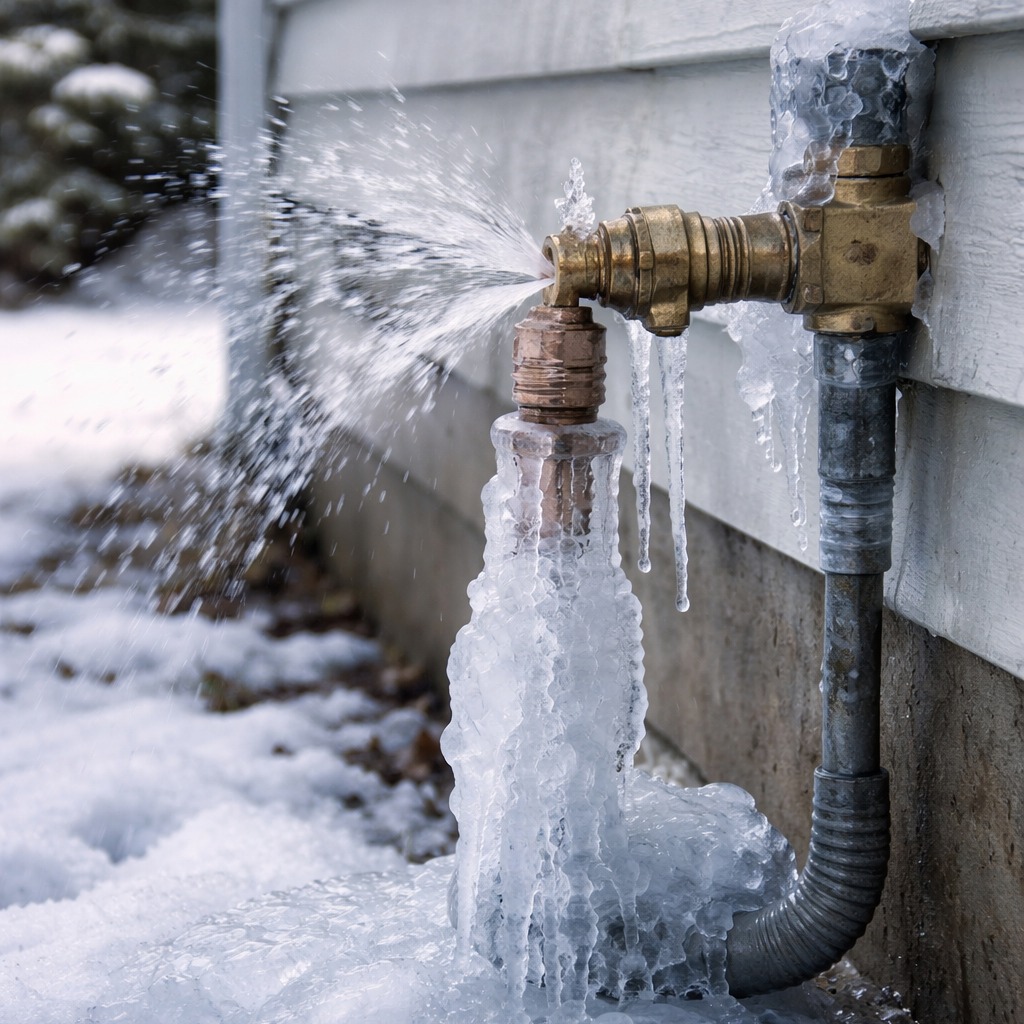
When temperatures drop, frozen pipes become one of the most common – and most stressful – winter headaches for homeowners. A burst pipe can send gallons of water into your home in minutes, causing costly damage and leaving you wondering what your insurance will actually cover. If you’ve ever asked yourself “Does homeowners insurance cover frozen or burst pipes?” you’re not alone.
This guide breaks down what is (and isn’t) typically covered under a standard homeowners policy, how to prevent frozen pipes in the first place, and what to do if your pipes freeze or burst.

Does Homeowners Insurance Cover Frozen or Burst Pipes?
In most cases, yes – homeowners insurance does cover damage caused by frozen or burst pipes. When a pipe freezes and ruptures, the resulting water damage is typically covered under your policy’s dwelling coverage (for the structure of your home) or personal property coverage (for belongings that are damaged). This often includes repairs to walls and floors, replacement of damaged items, limited mold remediation, and in some cases the cost to access and repair the damaged pipe itself.
However, coverage depends on one important condition: the home must be properly maintained.
Insurance companies expect homeowners to keep the heat on, insulate vulnerable pipes, and take reasonable steps to prevent freezing. If a burst pipe occurs because the home was left unheated or maintenance was clearly neglected, the claim may be denied.
It’s also helpful to know that insurance generally covers the damage caused by the water, not the actual cause of the leak. In other words, repairing a ruined wall is usually covered; repairing an aging or corroded pipe that finally failed may not be.
Understanding these distinctions now can make it easier to navigate a claim later – and ensure your home is protected when winter weather hits.
What Water Damage Is Not Covered by Homeowners Insurance?
While frozen and burst pipes are usually covered, there are several situations where a homeowners policy will not pay for water damage. Understanding these exclusions can help prevent surprises during a claim.
- Neglect or Lack of Maintenance
If the insurer determines the home wasn’t reasonably heated, pipes weren’t winterized, or clear warning signs were ignored, a claim may be denied. For example, shutting your heat off while traveling is considered neglect, even if the intent was to save energy.
- Gradual or Repeated Leaks
Homeowners insurance is meant for sudden, accidental damage – not issues that develop over time. Slow drips, long-term pipe corrosion, mold from an unresolved leak, or damage that results from poor upkeep generally won’t be covered.
- Flooding or Groundwater Intrusion
If the water comes from outside the home – such as rising groundwater or storm-related flooding – standard homeowners insurance won’t cover the damage. Flood insurance is a separate policy.
- Burst Pipes Outside the Home
A “burst water pipe outside the house” scenario is more complicated. If a main water line or service line breaks outside your home, it typically isn’t covered unless you have optional protections like Service Line Coverage or Water Backup Coverage. These add-ons can help pay for repairs and cleanup if an underground pipe leading to your home fails or backs up.
Every policy is a little different, so it’s wise to have a conversation with your insurance agent before winter sets in.
Special Considerations for Snowbirds or Seasonal Vacancies
If you spend part of the winter away from your home, or have a vacation home in areas prone to freezing temperatures, insurance coverage for frozen pipes becomes a little more nuanced.
Insurers often differentiate between a home that is unoccupied (temporarily empty but regularly checked) and one that is considered vacant (empty for an extended period with no regular oversight). A vacant home may carry restrictions or exclusions for frozen pipe damage unless specific steps are taken to maintain heat or shut off and drain the plumbing.
For homeowners who leave their property unattended for long stretches, some insurers offer seasonal or snowbird home insurance endorsements. These policies are designed to protect a property during prolonged absences, as long as you follow the maintenance requirements outlined in the policy.
If you have a home that will be empty during winter, ask your agent whether your policy has vacancy clauses, inspection requirements, or additional coverage options that help protect your home from freezing temperatures while you’re away.

How To Prevent Frozen or Burst Pipes
The best frozen-pipe insurance claim is the one you never have to file! With a few simple habits and some basic winterization, you can dramatically lower the risk of pipes freezing or bursting while protecting your eligibility for an insurance claim if something does go wrong.
- Keep Your Home Heated
Even when you’re away, most insurers recommend keeping the thermostat at 55°F or higher. Consistent heat is the strongest protection against freezing.
- Let Faucets Drip During Extreme Cold
When temperatures fall into the danger zone – generally 20°F or below – allowing a slow drip from your faucets can relieve pressure inside the pipes and help prevent freezing.
- Insulate Vulnerable Pipes
Pipes in attics, basements, crawl spaces, and exterior walls benefit from foam insulation or heat tape, both of which help keep temperatures stable during a cold snap.
- Open Cabinets and Interior Doors
This helps warm air reach the plumbing under sinks and improves circulation throughout the home.
- Extra Precautions
If you’re leaving home for a while:* Keep the heat on
* Shut off your home’s main water supply
* Drain your pipes (run faucets until they’re empty)
* Ask a trusted friend or neighbor to check the house periodically
What To Do If Your Pipes Freeze or Burst
Even with good preparation, extreme cold can still catch you off guard. Knowing what to do – quickly – can limit damage and help your insurance claim go smoothly.
- If You Suspect Your Pipes Are Frozen
Look for reduced water flow, frost on exposed pipes, or unusually cold spots along walls. Frozen pipes do not always thaw on their own, and forcing them to thaw too quickly can make things worse. Use safe methods such as a hair dryer, warm towels, or gentle space heaters to warm the pipe slowly. Never use an open flame.
- If A Pipe Bursts
Act fast!* Shut off your home’s main water supply
* Turn off electricity in affected areas if water is present
* Document everything – you’ll need them for a frozen pipes insurance claim
* Cleanup to prevent further damage; keep damaged items for your adjuster
* Contact your insurance agent or carrier as soon as possible to report the loss
Insurance policies typically cover the sudden and accidental water damage caused by the burst – not long-term deterioration – so your documentation and prompt action make a big difference.
Winter weather doesn’t have to be stressful. A quick review of your policy now can give you peace of mind all season long. Have questions about your coverage or want to make sure your home is fully protected this winter? Contact Independent Insurance Associates today. We’re here to help you understand your policy and stay one step ahead of cold-weather risks.
The post Does Homeowners Insurance Cover Frozen Pipes? appeared first on Independent Insurance Associates.